November 9, 2026
Embarking on a residential kitchen or bathroom remodel represents a major capital investment, and the horizontal work surfaces chosen serve as the aesthetic anchor and functional workhorse of the entire living space. From rolling out morning pastry dough to hosting evening holiday parties, kitchen island surfaces and perimeter counters endure continuous daily activity, exposure to hot cookware, sharp cutlery, and frequent spills. Choosing between natural granite, elegant marble, dense quartzite, engineered quartz, or modern porcelain requires balancing personal design aspirations with realistic maintenance expectations and lifestyle habits. Given how heavily horizontal surfaces influence both the visual character and practical performance of living environments, homeowners rightfully treat this decision with paramount importance. Indeed, according to House Beautiful, 90% of homeowners prioritize countertops during a renovation. This overwhelming consensus demonstrates that surface selection often dictates cabinetry styles, backsplash tile choices, and plumbing fixture finishes throughout living zones. However, achieving a flawless, long-lasting installation involves far more than simply selecting an attractive stone slab in a warehouse showroom. Partnering with a reputable stone fabricator requires asking thoughtful, detailed questions before contracts are signed and demolition begins. Preparing thorough questions regarding stone sourcing, laser templating, seam layout strategies, edge fabrication, and long-term warranties protects homeowners from costly surprises, misaligned expectations, and disappointing craftsmanship.
Inquiring About Fabrication Capabilities and Material Sourcing Channels
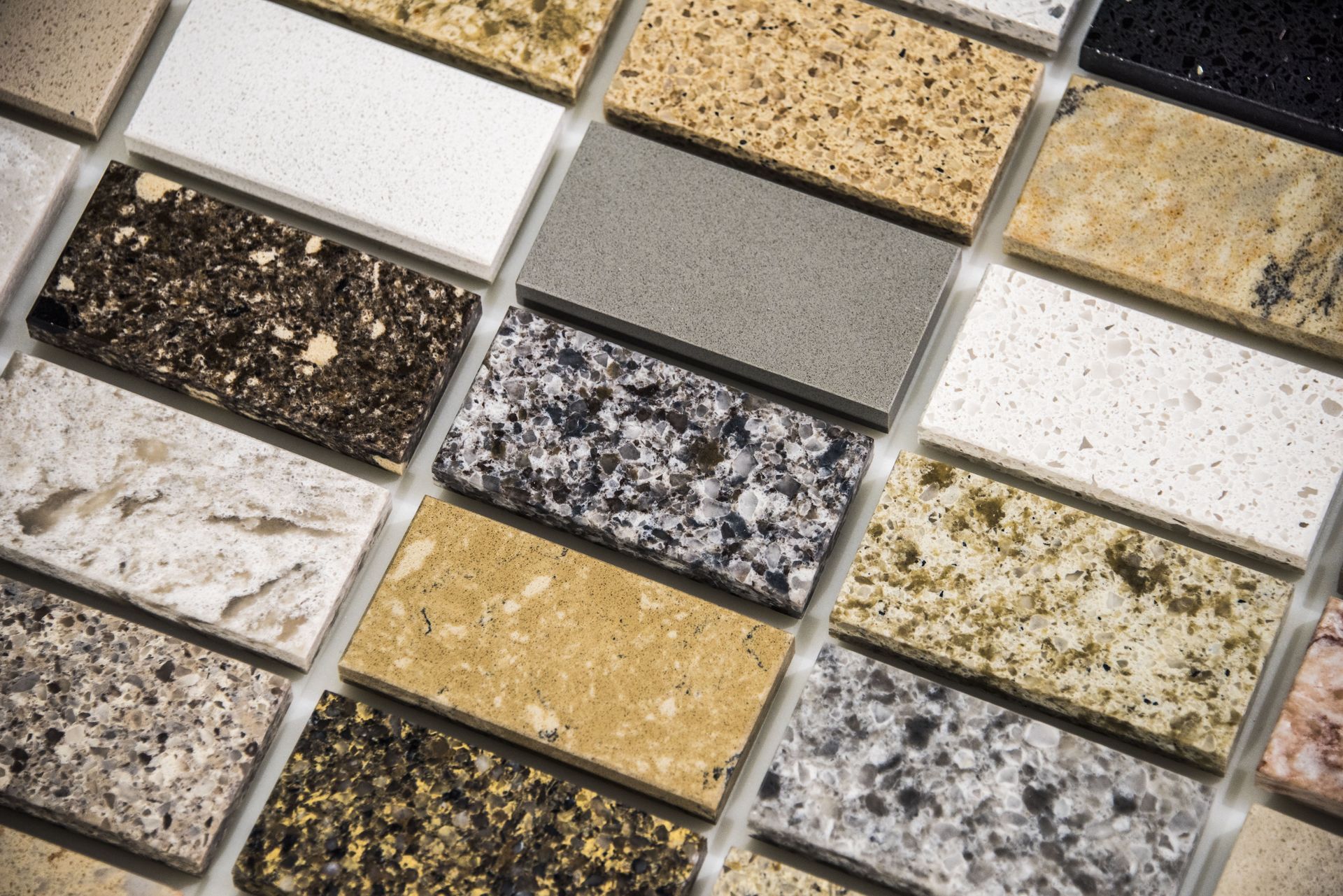
The initial stage of vetting a potential surface contractor involves investigating how and where they procure raw stone slabs and whether they handle fabrication in-house. While some businesses operate as comprehensive design, fabrication, and installation facilities, others function merely as brokers, subcontracting the critical tasks of cutting, polishing, and delivery to third-party operations. Engaging a dedicated countertop company that owns and operates its computerized fabrication shop ensures direct quality control, clearer communication channels, and greater accountability throughout the project lifecycle. Homeowners should ask whether they can personally tour the supplier's slab yard to hand-select the specific natural stone bundle assigned to their home, rather than relying on tiny showroom color samples. Natural stones like granite, quartzite, and marble exhibit dramatic slab-to-slab variations in background shading, crystalline mineral density, and dynamic veining movement. Furthermore, inquiring about digital templating technology reveals whether the fabricator uses robotic waterjet cutting systems that ensure millimeter-level cutting accuracy.
Clarifying Laser Templating Procedures and Cabinet Levelness Requirements
Achieving a snug, level, and structurally secure surface installation depends entirely upon precision digital templating performed over fully secured base cabinetry. Installing heavy stone slabs over unlevel, shifting, or improperly fastened cabinet boxes can trigger catastrophic slab cracking along sink cutouts and seam separations under load. Homeowners must ask their prospective countertop company whether they utilize spatial digital laser templating hardware to measure finished wall contours and cabinet surfaces accurately. Digital laser templating captures minute wall bows, non-plumb drywall corners, and subtle flooring slopes, allowing programmers to scribe stone edges to match idiosyncratic architectural conditions. Furthermore, property owners should ask who bears the responsibility for verifying cabinet levelness and structural reinforcement before templating crews arrive on site. If newly installed custom cabinetry sits slightly out of level, will the templating technician shim the base cabinets, or must the homeowner coordinate with their general carpenter to adjust cabinet leveling legs?
Reviewing Seam Placement Strategies and Vein Matching Layouts
In spacious modern kitchens featuring sprawling central islands, extensive perimeter runs, or complex corner transitions, integrating seams between separate stone sections represents an unavoidable physical reality. However, where seams are located and how adjacent pieces align visually separate amateur installations from master stone artistry. Property owners should ask their chosen countertop company to provide a formal slab layout preview—often called a digital slab matching rendering—before bridge saws make the initial cut into raw stone. Reviewing digital mockups allows homeowners to inspect exactly where seam lines will fall, ensuring that joints avoid high-traffic preparation zones or natural sightlines from adjacent dining areas. Furthermore, on slabs featuring bold, dramatic veining patterns, such as calacatta marble or macaubas quartzite, fabricators should demonstrate how veining flows continuously across seam joints or waterfalls smoothly down vertical island gable ends. Asking about epoxy color-matching protocols and specialized seam-leveling suction tools confirms that installers will create tight, hair-thin seams filled with customized pigment resin that blends seamlessly with the surrounding stone face.
Examining Edge Profiles and Custom Cutout Engineering
The subtle detailing of countertop edges and internal appliance cutouts contributes significantly to the overall aesthetic elegance and safety of a residential kitchen. Edge profiles range from classic eased or beveled treatments to sophisticated bullnose, cove, and dramatic ogee designs, with laminated mitered edges creating the optical illusion of thick, monolithic stone slabs. When consulting a prospective countertop company, homeowners should inquire which edge styles are encompassed within the base proposal and which custom profiles require supplementary tooling charges. Additionally, discussing lifestyle realities helps determine the most practical edge design; for instance, soft eased or round edges resist accidental chipping from dropped pots far better than razor-sharp square edges in busy family kitchens. Beyond perimeter edges, inquiring about sink and cooktop cutout fabrication methods is vital. Will under-mount sink basins receive a zero-reveal, positive reveal, or negative reveal cutout, and will the interior stone rim be polished to a brilliant showroom luster?
Understanding Installation Timelines and Teardown Responsibilities
Managing the logistical sequencing of a major kitchen renovation demands clear coordination between plumbing technicians, electrical trades, cabinet installers, and surface crews. A common source of project frustration arises from unclarified expectations regarding the removal of existing counters, disconnection of utility supplies, and final cleanup procedures. Homeowners must ask their countertop company whether their quoted proposal includes the physical demolition and disposal of old tile, laminate, or stone surfaces, or if the homeowner must arrange separate disposal. Furthermore, clarify whether installation crews disconnect and reconnect plumbing fixtures, garbage disposals, and gas cooktops, or if licensed mechanical sub-trades must be scheduled to execute disconnects before installation day. Inquiring about turnaround intervals between initial digital templating and final slab delivery allows families to arrange temporary food prep accommodations, minimizing domestic disruption during the transition. Asking whether installers protect hardwood floors with neoprene runners and vacuum airborne silica dust following on-site mechanical adjustments ensures a clean, respectful jobsite environment.
Investing in custom horizontal surfaces represents a transformative home improvement that enriches daily living comfort, elevates culinary efficiency, and anchors residential interior architecture with timeless prestige. Because horizontal surfaces command central visual attention throughout modern open-concept floor plans, navigating the selection, fabrication, and installation process demands meticulous preparation and clear technical communication. By proactively asking critical questions regarding fabrication technology, laser templating precision, seam layout matching, custom edge engineering, jobsite teardown responsibilities, and long-term sealant warranties, homeowners take command of their remodeling journey. Rather than leaving monumental design details to chance, thorough preliminary dialogue aligns expectations, prevents costly remodeling delays, and ensures that your chosen materials perform flawlessly across decades of active family gatherings. Thoughtful planning preserves valuable property equity, minimizes project stress, and guarantees lasting peace of mind for modern homeowners.
At Real Deal Countertops, our dedicated team brings deep stone expertise, master digital fabrication craftsmanship, and an unwavering commitment to quality on every residential remodeling project we guide, ensuring your home achieves breathtaking visual elegance, unyielding structural durability, and extraordinary luxury across every finished surface. Contact us today or visit our local showroom to explore our extensive natural stone and engineered quartz collections and discover the lasting benefits of working with trusted countertop specialists.